The chapter after "you're done" — and the framework I built when no one else handed me one
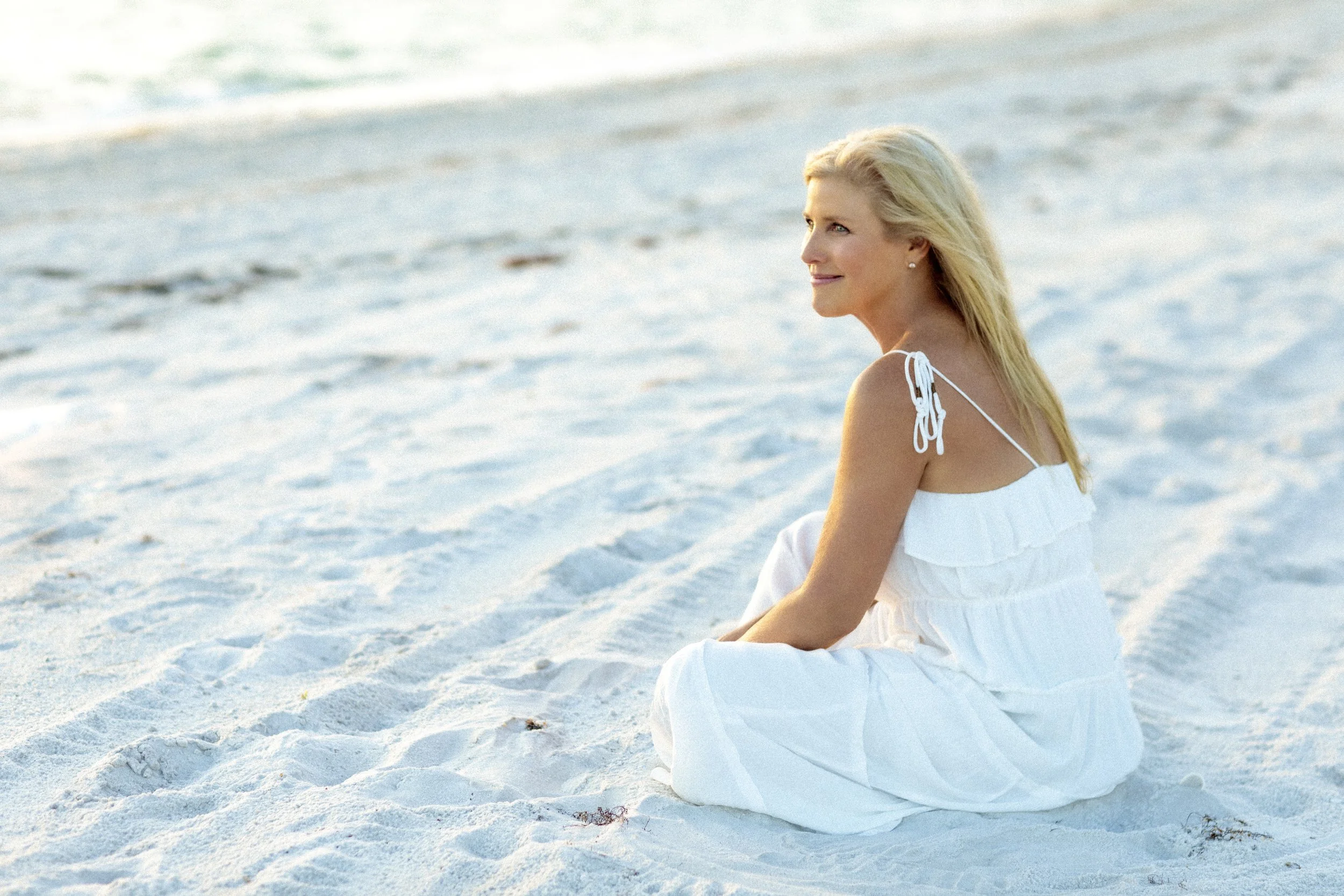
catherine haffey recovery
I found the lump in 2010. Nickel-sized. Small enough to explain away.
It took five months to get answered. Five months of "let's watch it," of herbal supplements my primary provider approved, of no one circling back to ask how I was actually doing. By the time I was finally taken seriously, that nickel-sized lump had grown to seven centimeters. It had spread to my lymph nodes. Stage 3C.
I don't say that for sympathy. I say it because if you're reading this as someone newly out of treatment, I want you to know something before we go any further: your instincts matter, and a second opinion is never overreacting. I wish someone had told me that in 2010.
What Treatment Actually Asked of Me
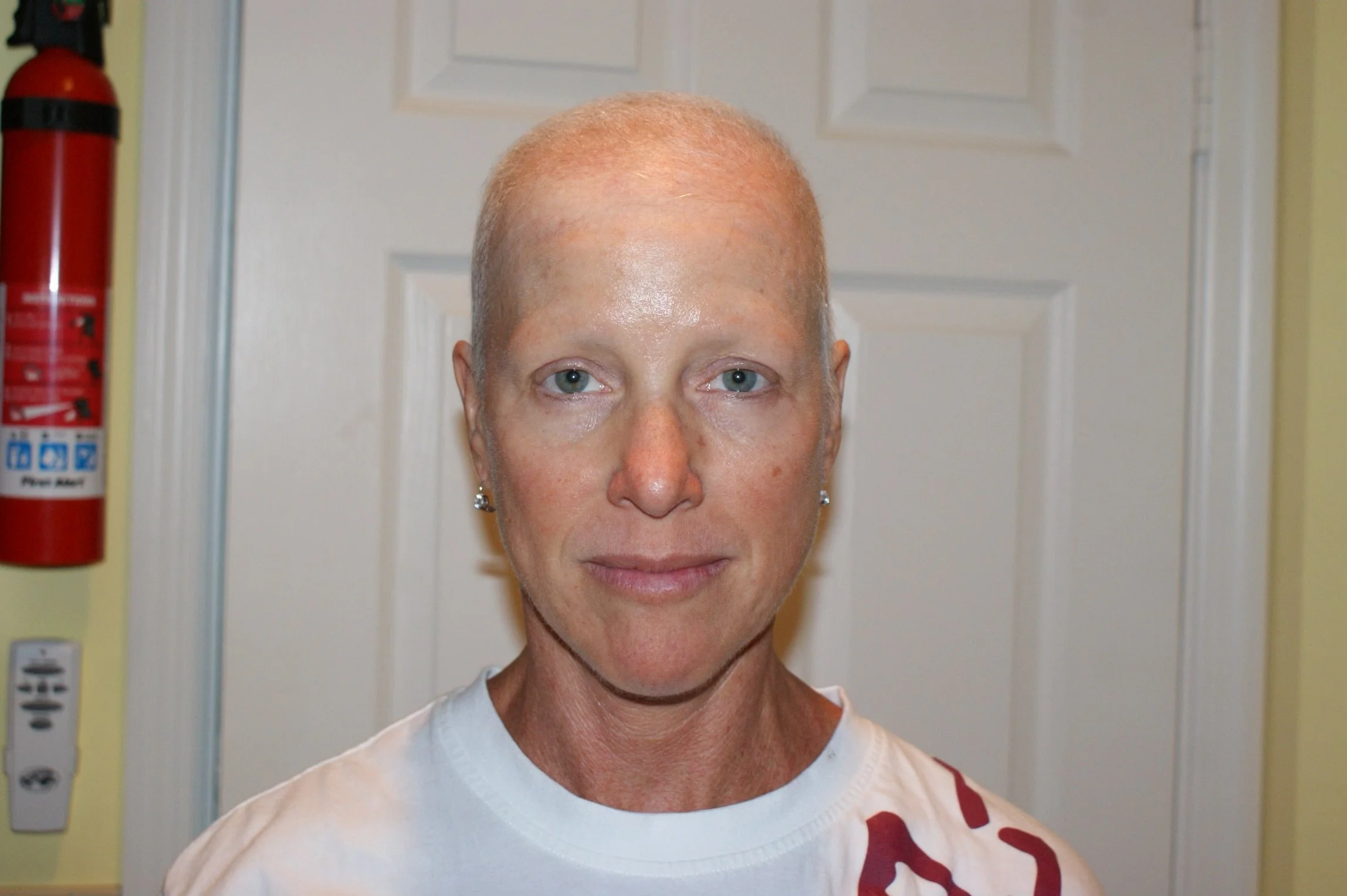
catherine haffey breast cancer
Sixteen rounds of chemotherapy. Halfway through, a port infection landed me back in the hospital — pulled off chemo entirely, fighting for something more basic than remission. Just to stay alive long enough to finish. Then back on, to complete it.
A bilateral mastectomy. Thirty rounds of radiation. Reconstruction months later — which came with its own infections, its own recovery inside the recovery.
If you're in the middle of your own version of this right now, I'm not going to tell you it gets easy. I'm going to tell you it gets different.
The Part Nobody Prepared Me For
Here's what surprised me most — and if you're newly finished with treatment, this might be the part that resonates hardest: the hardest chapter wasn't during treatment. It was after.
When the appointments stopped. When the calendar that had organized my fear for over a year suddenly went quiet. When everyone around me exhaled — and I was still holding my breath, waiting for permission I never quite got.
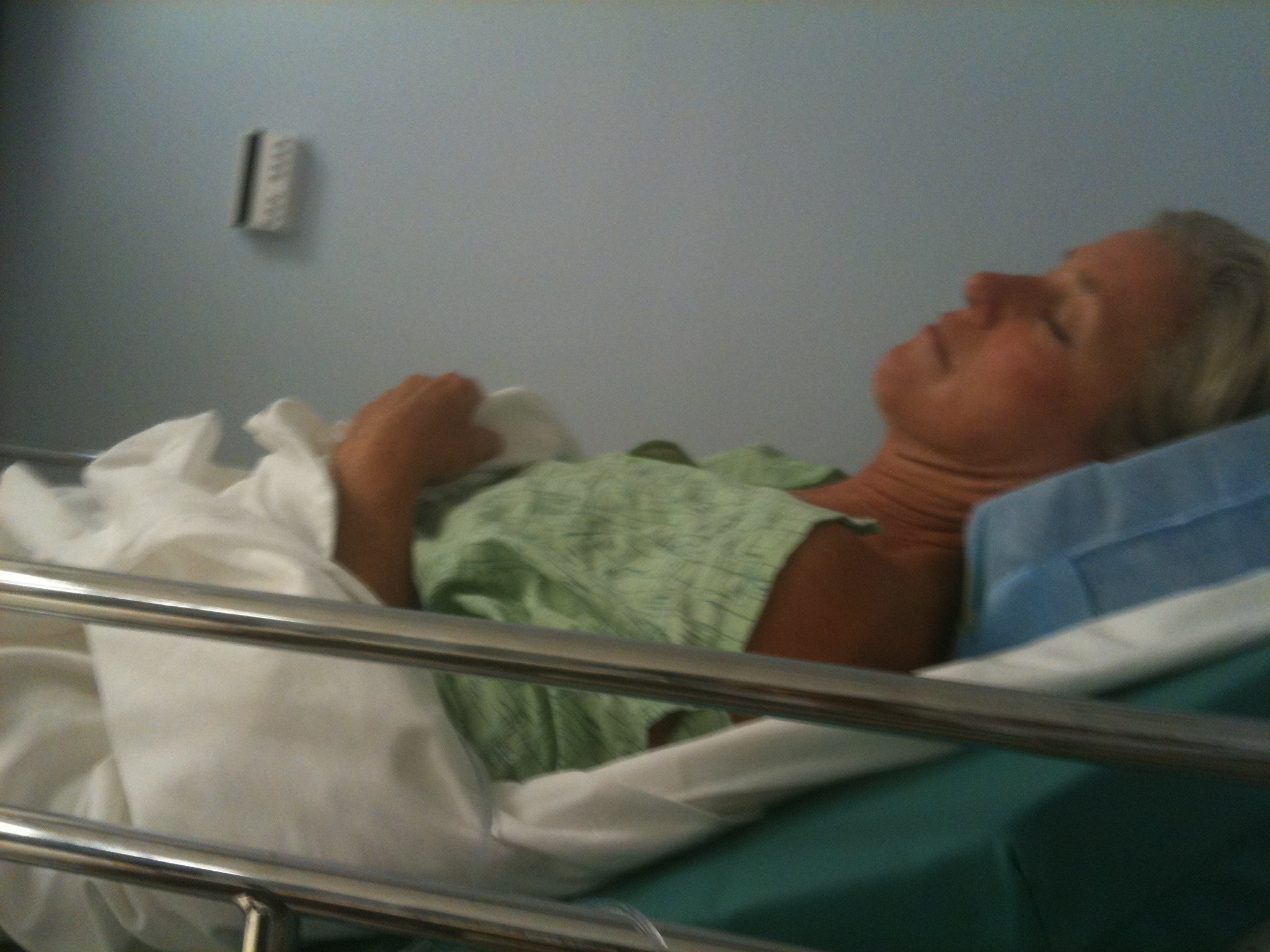
catherine haffey breast cancer
There's no discharge plan for that kind of silence. No one hands you a framework for how to trust your body again after it tried to kill you, or how to walk back into a life that kept moving while yours stood still.
I felt that loss of guidance in a very specific place: my trust in the system that had missed me for five months. I carried real anger about that delay for a long time. Some days I still feel the edges of it. What changed wasn't the anger disappearing — it was learning what to build with it instead of around it.
Building Something From the Uncertainty
So I did what I know how to do when I don't have answers. I went looking for them.
I read the research. Not wellness-industry claims — published studies on what actually influences recurrence risk. What I found became five pillars I still live by today — not as rules, but as a rhythm.
▸ Sleep — One study following breast cancer patients found that women who averaged six hours of sleep or less per night before diagnosis had significantly higher OncotypeDX recurrence scores than women who slept longer, an association that held strongest in postmenopausal women (Thompson & Li, Breast Cancer Research and Treatment, 2012). I protect my sleep fiercely now — it's not a luxury, it's a pillar.
▸ Movement — A 2022 meta-analysis of nearly 30,000 breast cancer survivors found that recreational physical activity after diagnosis reduced recurrence risk by 16% and reduced the risk of recurrence or disease-specific mortality by 23% (Zagalaz-Anula et al., European Journal of Oncology Nursing, 2022). Movement became non-negotiable in my life, not for aesthetics — for evidence.
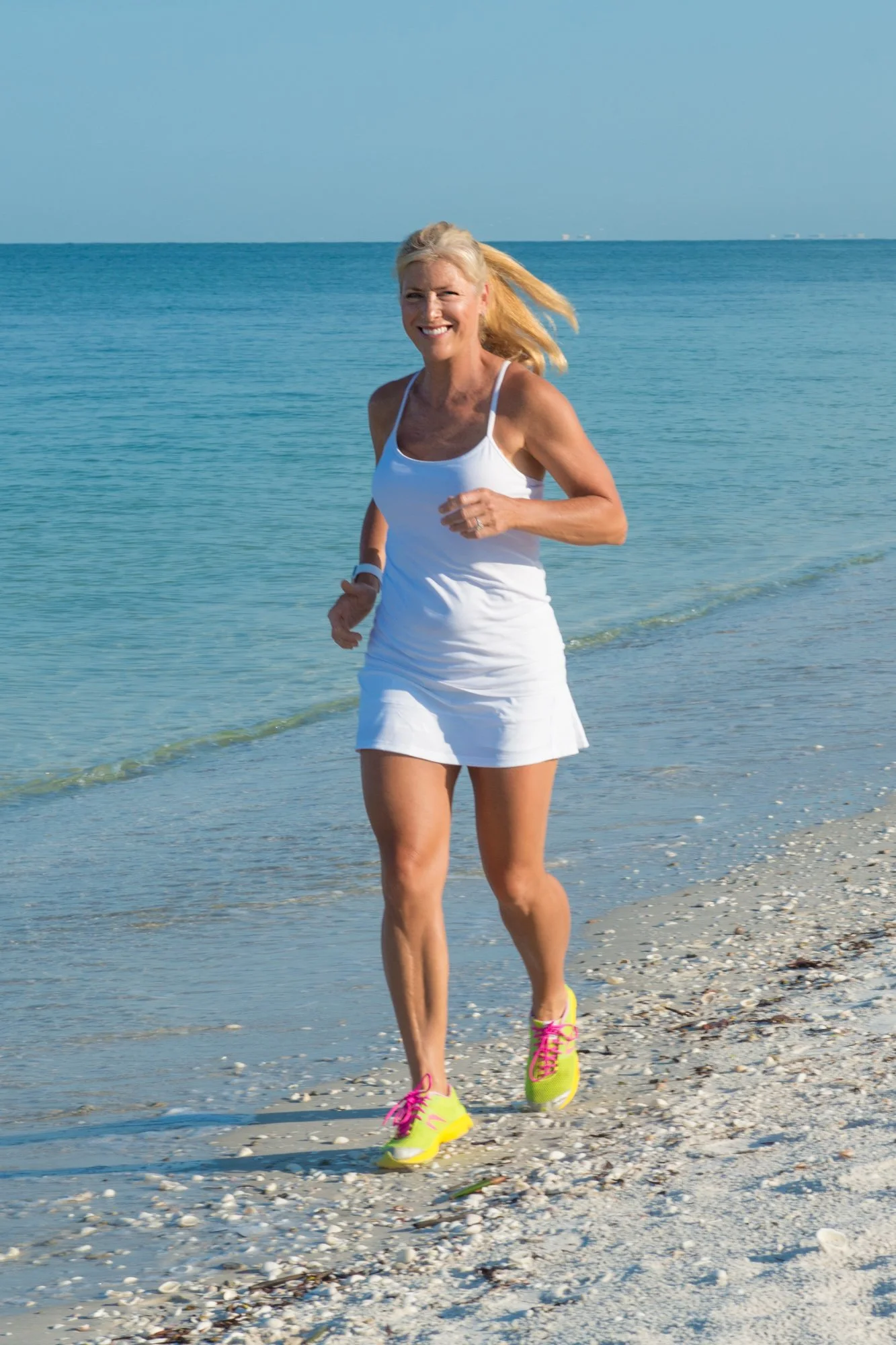
catherine haffey/resilience beyond cancer
▸ Nutrition — Research reviewing lifestyle interventions found that dietary fat reduction combined with weight management reduced recurrence in early-stage breast cancer survivors in the Women's Intervention Nutrition Study, one of several findings supporting nutrition's role in outcomes (Chlebowski, The Breast, 2013). My plate looks nothing like it did in 2011.

catherine haffey/resilience beyond cancer
▸ Stress and nervous-system regulation — A randomized controlled trial of Mindfulness-Based Stress Reduction in breast cancer survivors found significant reductions in depression, anxiety, and fear of recurrence compared to usual care (Lengacher et al., Psycho-Oncology, 2009). My morning and evening routines exist because of what this pillar taught me — regulation isn't indulgent, it's protective.
▸ Gratitude and faith — the pillar research can't fully measure, but I can. It's the thread that runs underneath the other four, the reason none of this ever felt like punishment. Just partnership with my own healing.
None of it undid what happened. All of it gave me somewhere to put my strength.
Fifteen Years Later
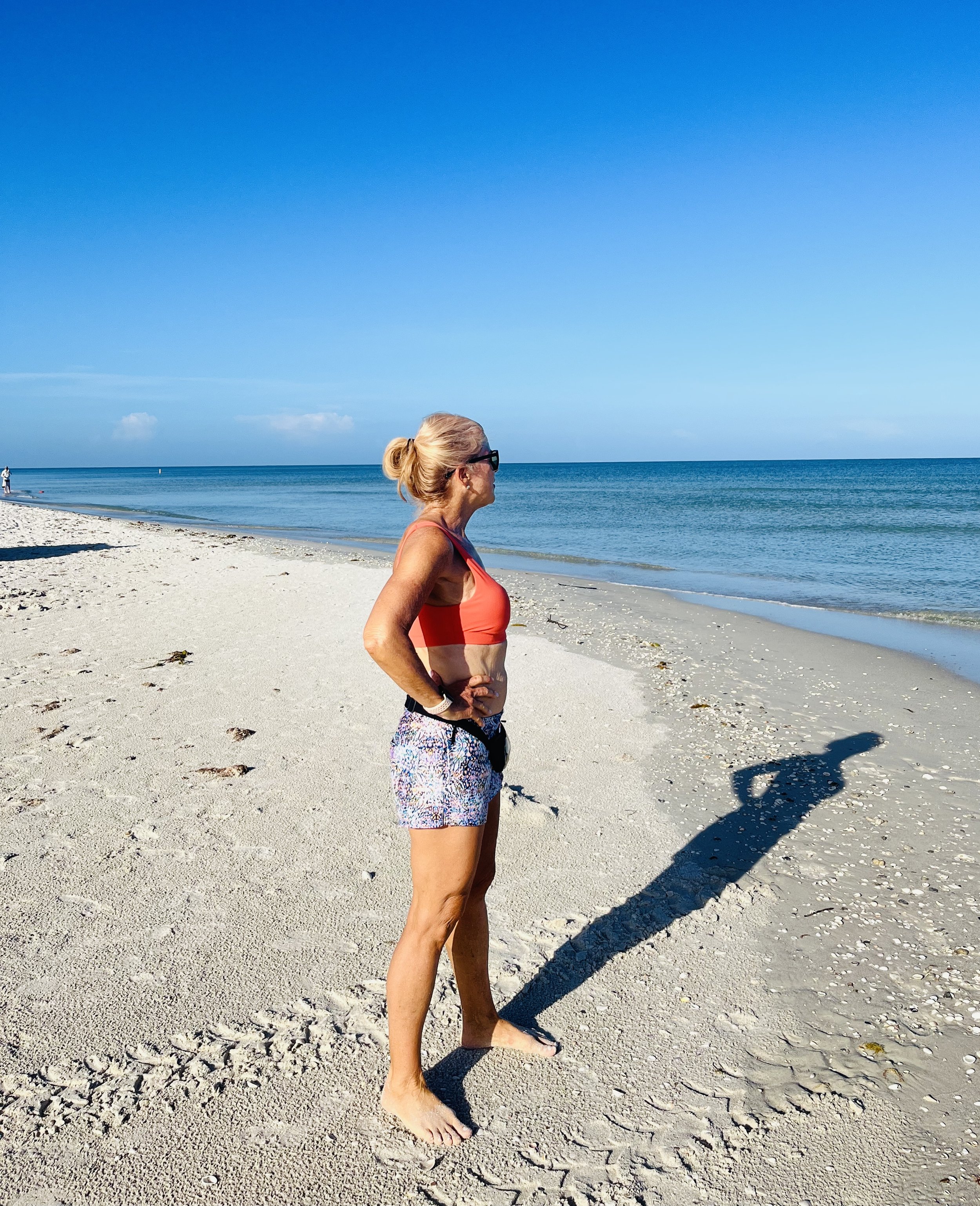
I'm fifteen years out now. Long enough that "I beat cancer" isn't the sentence I lead with anymore — it's just one true thing about a much longer story. The confidence I have today wasn't handed to me at the end of treatment. It was built, pillar by pillar, in the uncertain months and years after — the ones nobody warns you about.
If you're newly finished with treatment and the fear hasn't caught up to the good news yet — that's not weakness. That's the part where the real rebuilding happens. It happened for me too. It's still happening, honestly, just quieter now.
catherine haffey breast cancer coach
What I'd Ask of You
I'm not going to ask you to wish me good health today — I've had fifteen years of it, and I don't take a single one for granted. What I'd ask instead is this: if any part of this resonated, take one small piece of it with you. Trust the instinct that says ask again. Give yourself the same grace in the silence after treatment that you gave yourself during it. And if you're looking for a place to start rebuilding your own rhythm, that's exactly what [link: the free resources page] and [link: the gratitude journal] were built for.
You survived the fight. Now comes the slower, quieter work of learning to thrive — and you don't have to figure that part out alone either.
Frequently Asked Questions
Do you still have hard days — and are you honest about them, or do you have to hold it together for everyone else?
Yes to both, and I've stopped apologizing for it. There are still days the anger from those five lost months surfaces — days that are just harder, for no reason I can always name. I don't push those days away anymore. I let them move through me, lean on my routines instead of white-knuckling through, and remind myself that a hard day isn't a setback in my healing. It's part of it. Surviving was step one. Learning to be honest about the hard days — that's part of learning to thrive.
Are you afraid of recurrence?
I won't pretend the fear disappeared — I think for most survivors it never fully does. But its size in my life has changed. It used to sit in the driver's seat. Now it's more like a passenger I've learned to coexist with — present, but no longer steering. My five pillars are, in a real sense, what I built specifically so fear wouldn't be the only thing I had to hold onto.
Do you live differently now — do birthdays and holidays feel different to you?
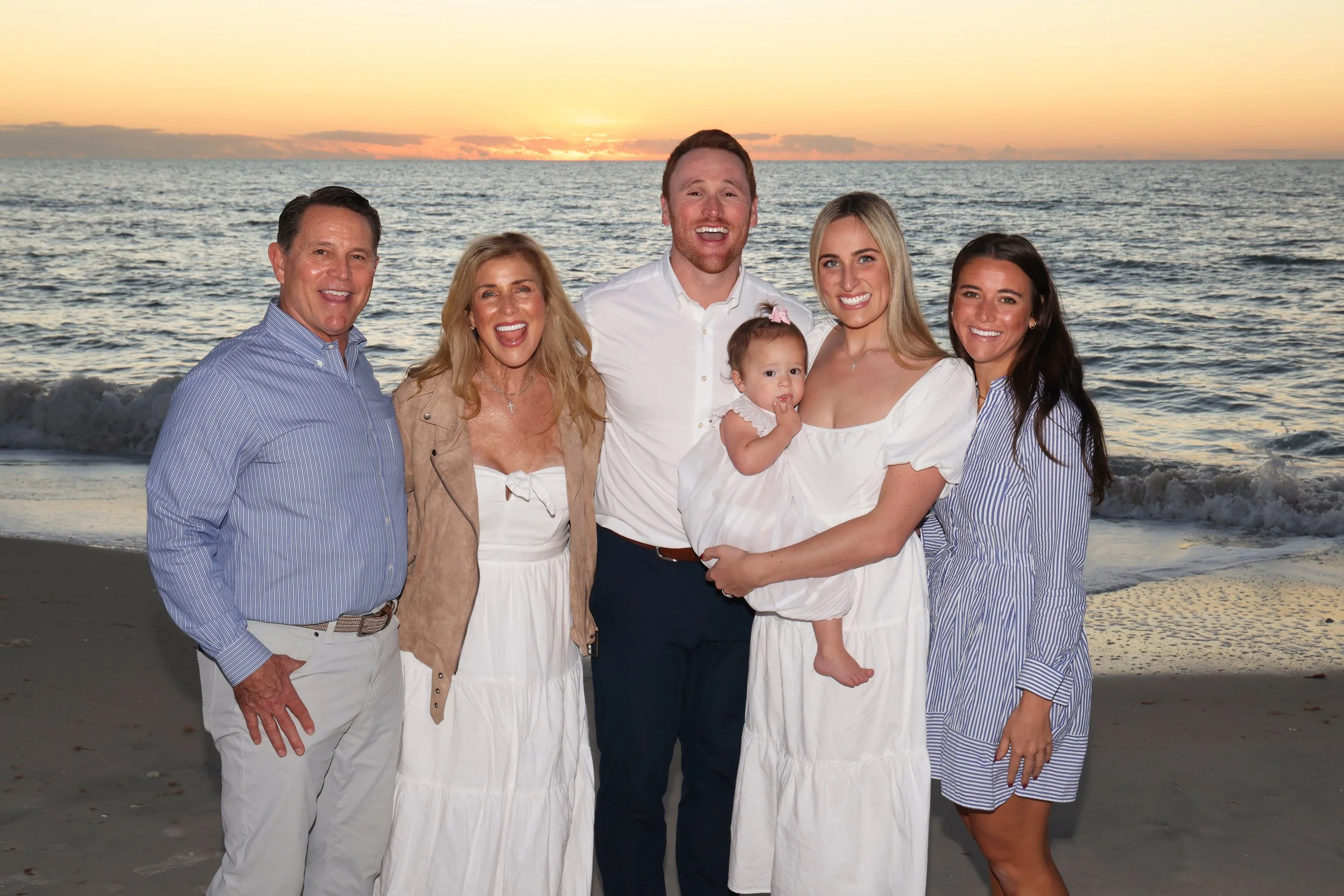
Completely. I don't move through celebrations on autopilot anymore. Every birthday, every holiday, every ordinary Tuesday carries a little more weight — and a lot more gratitude. Cancer took things from me I can't get back. But it also handed me a level of presence I never had before. I try never to waste that. Every day I'm given is one I get to actually notice — and that, to me, is thriving from the inside out.
catherine haffey/ breast cancer coach
Sources referenced:
Thompson CL, Li L. Association of Sleep Duration and Breast Cancer OncotypeDX Recurrence Score. Breast Cancer Research and Treatment. 2012;134(3):1291-1295.
Zagalaz-Anula N, Mora-Rubio MJ, Obrero-Gaitán E, Del-Pino-Casado R. Recreational physical activity reduces breast cancer recurrence in female survivors of breast cancer: A meta-analysis. European Journal of Oncology Nursing. 2022;59:102162.
Chlebowski RT. Nutrition and physical activity influence on breast cancer incidence and outcome. The Breast. 2013;22(Suppl 2):S30-S37.
Lengacher CA, et al. Randomized controlled trial of mindfulness-based stress reduction (MBSR) for survivors of breast cancer. Psycho-Oncology. 2009;18(12):1261-1272.
