Soy. Fiber. Cruciferous vegetables. Here's what the research actually says — and how to make peace with the alcohol question, too.
Can I eat tofu? Is my smoothie doing anything? Should I really give up wine?
If you've asked yourself any of these since your diagnosis, you are not alone... and you are not overthinking it. You're doing exactly what survivors do: trying to turn uncertainty into something you can act on.
Here's the thing nobody tells you at your last oncology appointment — the research on food and recurrence is actually further along than most survivors realize. Not perfect. Not a cure. But real, published, peer-reviewed evidence that can guide how you eat without fear running the show.
So let's do this the way I always do things around here: grounded in research, filtered through compassion, with zero blame attached. Three foods to know. One honest conversation about alcohol. And a body of science that, frankly, should make you feel more empowered than you have in a while.
1. Soy — The Food Survivors Fear Most (And Shouldn't)
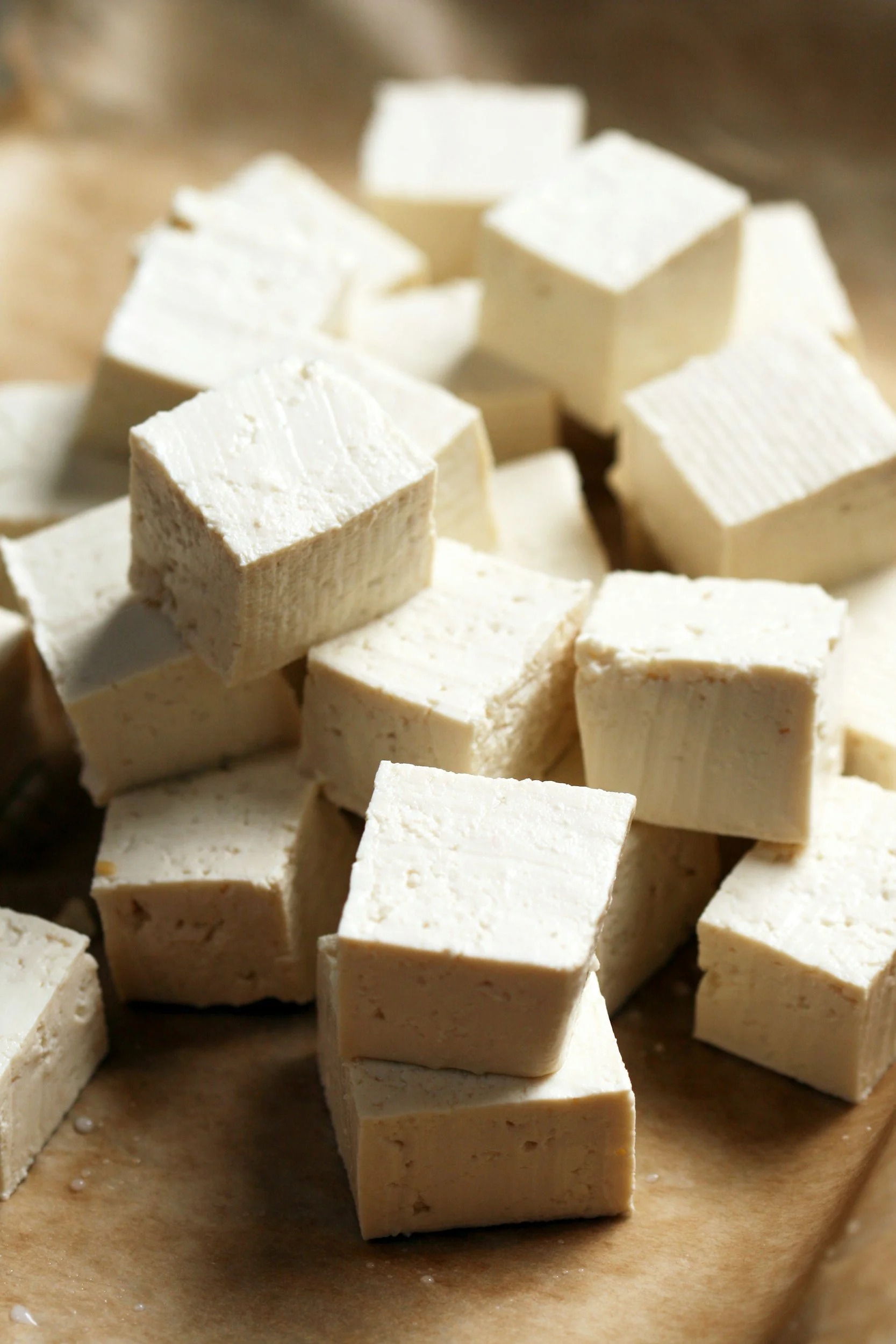
organic tofu
For decades, survivors were told to avoid soy. The logic sounded reasonable on the surface: soy contains isoflavones, plant compounds that behave somewhat like estrogen, and estrogen can fuel hormone-receptor-positive breast cancers. So the advice became "just avoid it."
Here's what the actual research shows now:
🔹 A large study following more than 16,000 breast cancer survivors found that women who ate more soy isoflavones had a lower risk of recurrence and mortality compared to women who ate very little (Shu et al., Vanderbilt University, published in JAMA).
🔹 A 2024 systematic review and meta-analysis in JNCI Cancer Spectrum, pooling 32 studies, found soy isoflavones were associated with a 26% reduction in recurrence risk — with the strongest benefit in postmenopausal and estrogen-receptor-positive survivors, and the greatest protection around 60mg of isoflavones per day (roughly 2–3 servings of whole soy foods).
🔹 Human trials consistently show soy foods do not raise circulating estrogen levels or interfere with tamoxifen.
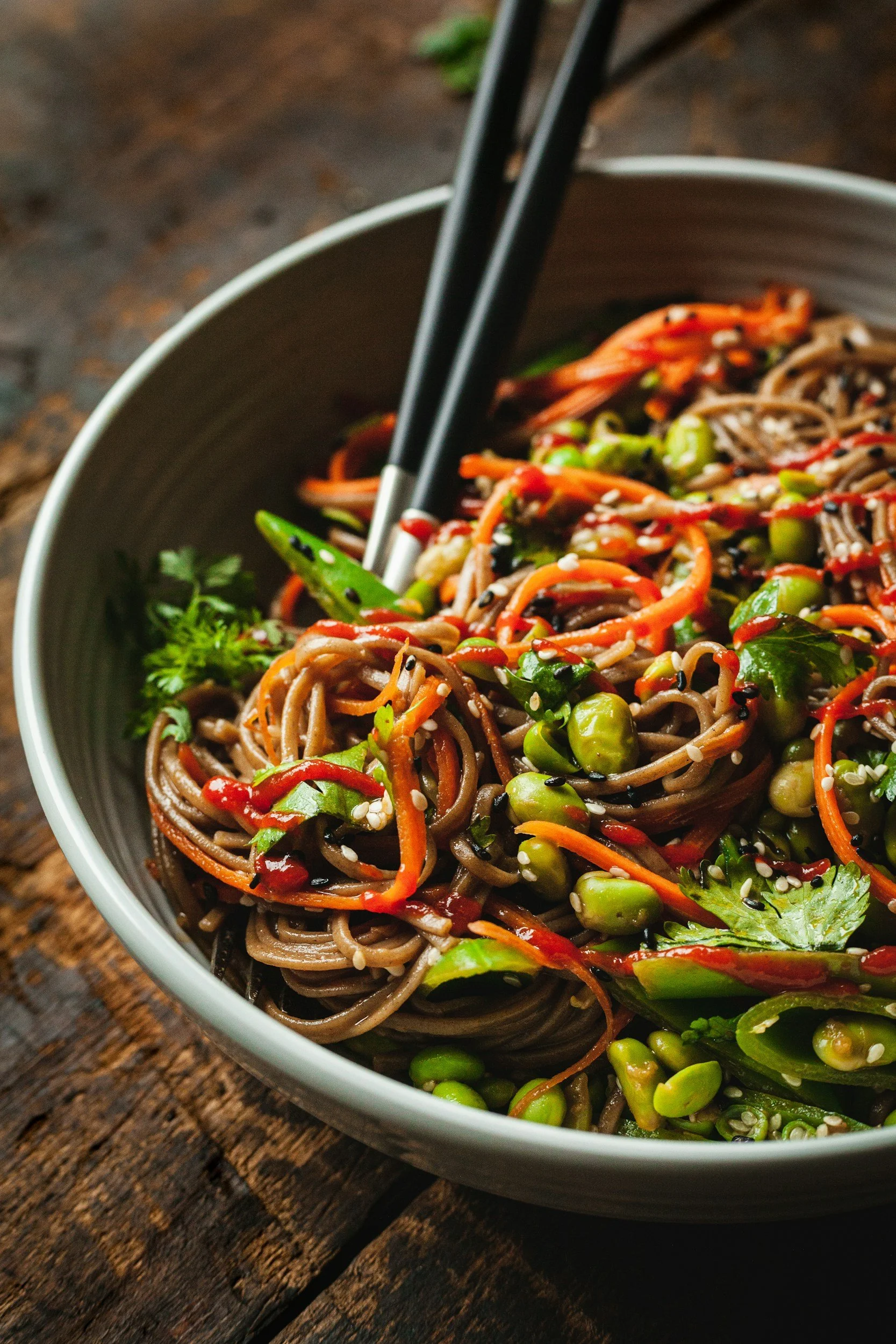
stir-fry with edamane
🔹 The American Cancer Society's 2022 nutrition guidelines for cancer survivors concluded that soy food intake is associated with a lower risk of recurrence and can be safely included.
The nuance that matters: this research is about whole soy foods — tofu, edamame, tempeh, soy milk — not high-dose isoflavone supplements, which haven't been studied to the same degree of safety. Food first. Always food first.
2. Fiber — Quietly One of the Most Powerful Tools You Have
Fiber doesn't get the spotlight soy and cruciferous vegetables get, but the research on it might be the most consistent of the three.
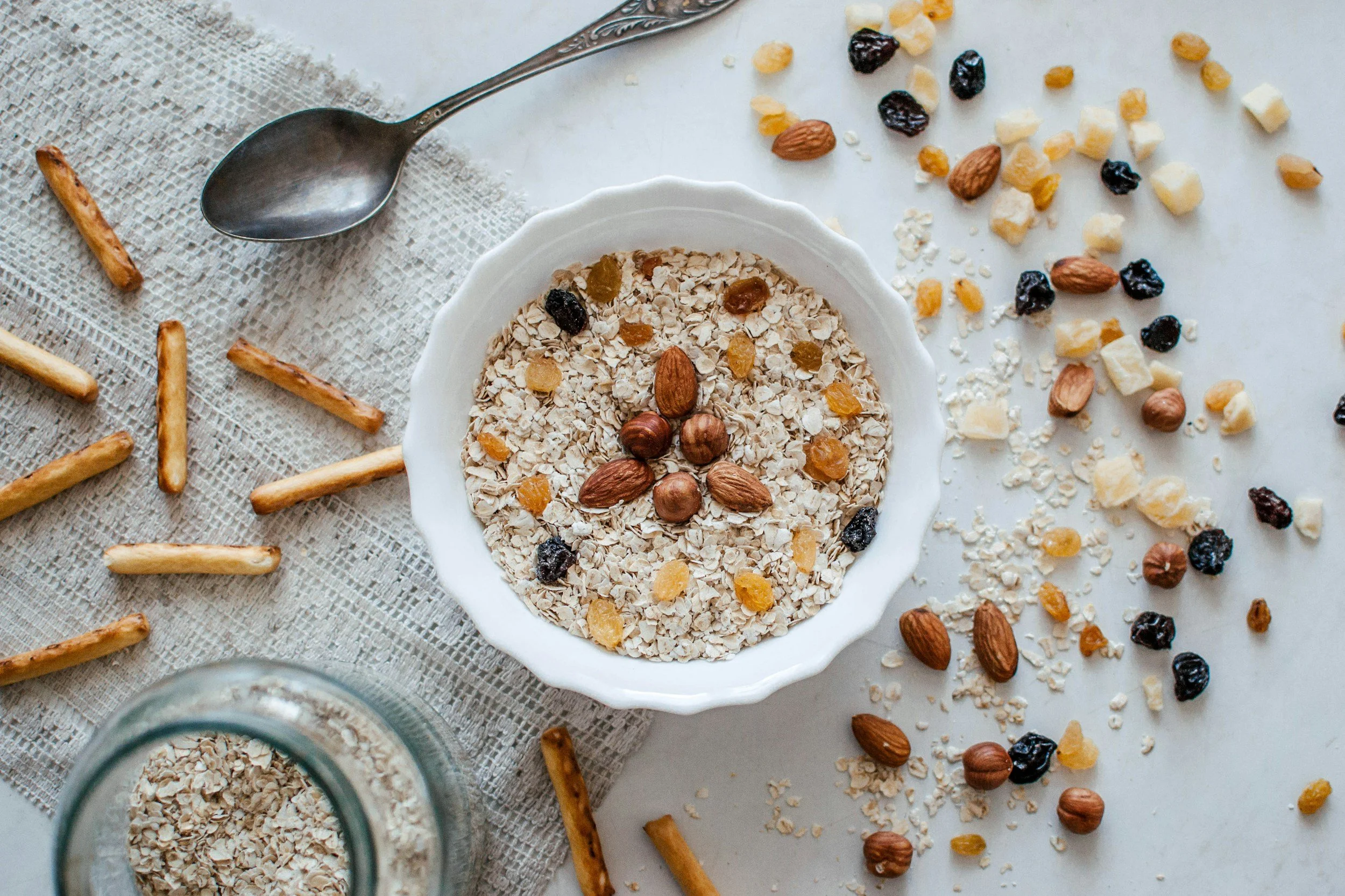
whole grains and fiber
🔹 A pooled analysis combining major post-diagnosis dietary trials (including the Women's Healthy Eating and Living study) found that diets higher in fiber, fruits, and vegetables — and lower in fat — were associated with a 23% reduction in recurrence risk and a 17% reduction in mortality risk among breast cancer survivors (Pierce et al., published in JAMA).
🔹 Higher fiber intake is linked to lower circulating estrogen levels, reduced inflammation (measured by CRP), and better insulin sensitivity — three mechanisms directly tied to recurrence risk.
🔹 A study measuring the Dietary Inflammatory Index in breast cancer survivors found that higher fiber intake was associated with meaningfully lower rates of both recurrence and overall mortality.
Why this matters emotionally, not just biologically: fiber is the most accessible, least intimidating change on this list. Beans. Oats. Berries. Lentils. Whole grains. Vegetables with their skins on. You don't need a supplement aisle. You need your grocery cart to look a little different than it used to.
3. Cruciferous Vegetables — Broccoli's Moment
Broccoli, cauliflower, kale, Brussels sprouts, cabbage, arugula, bok choy — the cruciferous family has been studied specifically for its role in breast cancer survivorship, largely because of two compounds: sulforaphane and indole-3-carbinol.
🔹 The Shanghai Breast Cancer Survival Study, a large prospective cohort of breast cancer survivors, found that higher cruciferous vegetable intake in the years after diagnosis was associated with reduced risk of total mortality, breast-cancer-specific mortality, and recurrence.
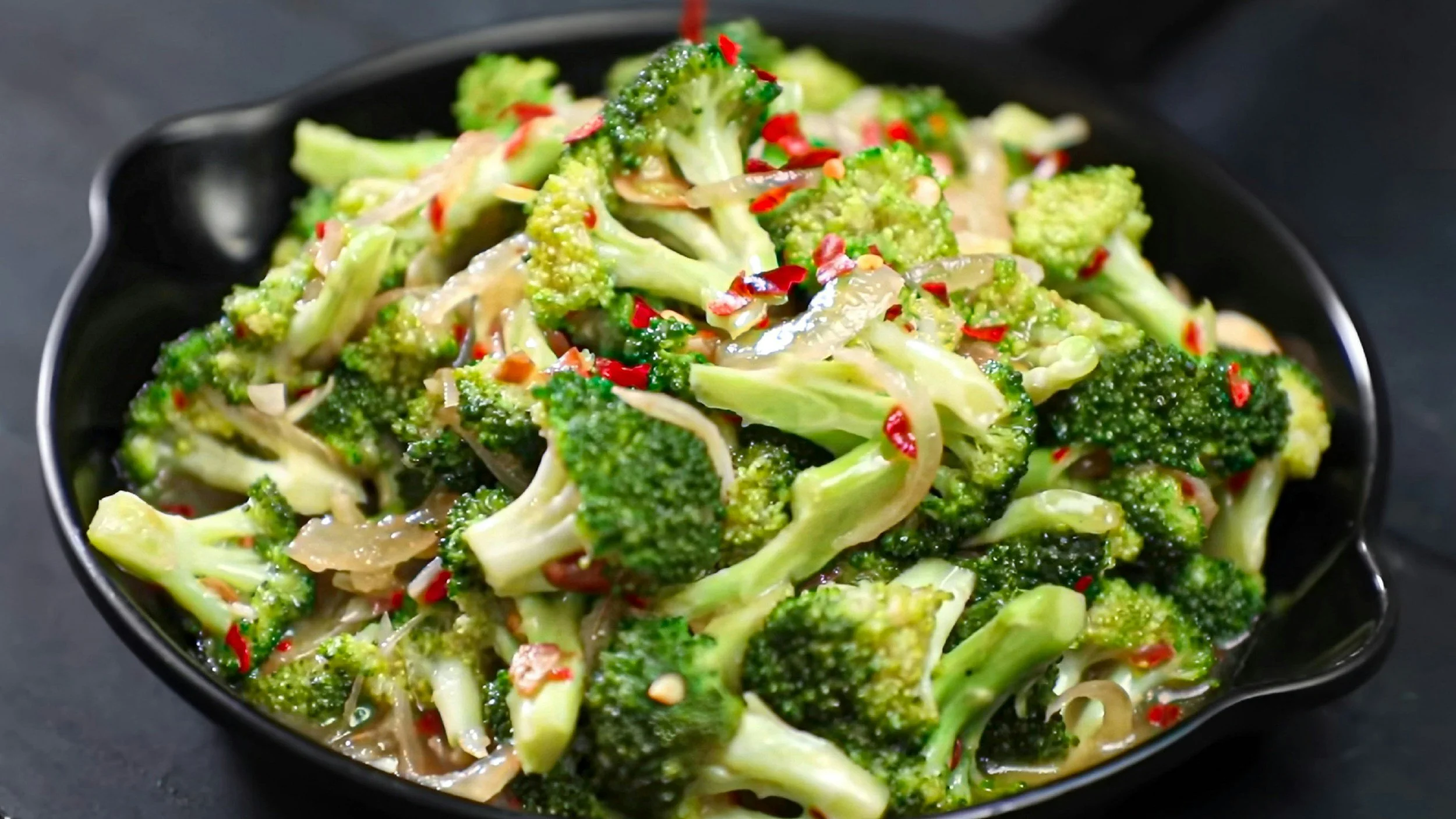
broccoli is king
🔹 Laboratory and early human research shows sulforaphane may target treatment-resistant cancer stem cells through antioxidant activity and programmed cell death — one proposed mechanism for lowering relapse risk.
🔹 More recent research, including the Pathways Study, has found mixed results — some analyses show a modest protective association, others show none, once other lifestyle factors are accounted for.
The honest takeaway: the evidence for cruciferous vegetables is promising but less uniformly strong than for soy and fiber. That doesn't mean skip them — it means eat them because the mechanistic and observational research is compelling, not because they're a guarantee. Broccoli isn't magic. It's one more brick in a very solid wall.
4. The Alcohol Conversation ….I know .
This is the one I know is harder to hear, so let's talk about it the way we talk about everything here — no shame, no fear tactics, just the truth.
What the research actually shows is more nuanced than "wine is banned forever":
🔹 The Pathways Study, one of the largest studies following breast cancer survivors, found that overall alcohol consumption after diagnosis was not associated with an increased risk of recurrence or mortality in the group as a whole.
🔹 However, a separate analysis found that among women with ER-positive breast cancer, those drinking 7 or more drinks per week had a higher risk of late recurrence (5+ years after diagnosis) compared to non-drinkers.
🔹 A 2021 review in the Clinical Journal of Oncology Nursing concluded that the general guideline of "one drink or less per day" — designed for breast cancer prevention in the general population — may not fully protect survivors from cancer-related events, and recommended survivors be given more specific, individualized guidance.

mocktails are delicious
🔹 Mechanistically, alcohol raises circulating estrogen and insulin-like growth factor levels, and increases oxidative stress — all pathways connected to hormone-receptor-positive recurrence specifically.
So where does that leave you? Not in a place of "never again," and not in a place of "it doesn't matter." Somewhere more honest: alcohol is a modifiable risk factor, the dose matters, and reducing it — even without eliminating it completely — is one of the more evidence-backed things you can control. If a glass of wine with dinner is part of how you connect with people you love, that's not a moral failure. If cutting back feels like relief, that's not restriction — that's information you can finally act on.
Bringing It All Together
None of these four things — soy, fiber, cruciferous vegetables, or alcohol — is a single lever that determines your outcome. Recurrence is influenced by dozens of factors, many of them entirely outside your control. This isn't about achieving a perfect diet. It's about stacking the odds gently, consistently, in your favor — without turning food into fear.
A few ways to start without overhauling your whole life this week:
1️⃣ Add one serving of whole soy food (edamame, tofu, tempeh) two to three times a week
2️⃣ Build one meal a day around beans, lentils, oats, or whole grains
3️⃣ Add one cruciferous vegetable to your grocery list this week — even frozen counts
4️⃣ Notice your current alcohol pattern honestly, then choose one small, sustainable reduction — not an ultimatum
catherine haffey
You survived cancer. You get to decide, with real information instead of internet fear, how you nourish the body that got you here.
FAQ: Soy, Fiber, Cruciferous Vegetables & Alcohol for Breast Cancer Survivors
Is soy safe if I'm on tamoxifen?
Current research, including systematic reviews of dozens of studies, has not found that whole soy foods interfere with tamoxifen or increase recurrence risk. The concern was largely based on older animal studies that don't translate directly to how humans metabolize soy isoflavones. As always, mention any significant dietary changes to your oncologist.
How much fiber should I actually be aiming for?
Most research associating fiber with lower recurrence risk looked at intakes in the range of 25–30 grams per day — achievable through vegetables, fruit, legumes, and whole grains rather than fiber supplements.
Do I need to eat cruciferous vegetables raw for the benefits?
Both raw and cooked cruciferous vegetables provide benefit, though light steaming tends to preserve more of the sulforaphane-producing enzyme (myrosinase) than boiling. Raw or lightly steamed is a reasonable middle ground if you want to optimize.
Is any amount of alcohol truly "safe" after a breast cancer diagnosis?
The research is genuinely mixed, which is the most honest answer. Overall population-level studies haven't consistently shown low levels of drinking increase recurrence, but higher intake (7+ drinks/week) has been linked to increased late recurrence in ER-positive survivors. This is a personal, informed decision to make in conversation with your care team — not a test you pass or fail.
Can food alone lower my risk of recurrence?
No single food or food group determines outcomes, and diet is not a substitute for medical treatment or surveillance. What the research supports is that dietary patterns — sustained over time — are associated with meaningfully different recurrence and mortality rates. It's a contributing factor within your control, not the whole picture.
I feel overwhelmed by all of this. Where do I actually start?
Pick one thing from this post. Just one. Add soy twice this week, or add a cruciferous vegetable to your next grocery order, or notice your alcohol pattern without judgment. Evidence-based nutrition works because it's sustainable — not because it's perfect.
putting it all together-simply
References
Shu XO, Zheng Y, Cai H, et al. Soy food intake and breast cancer survival. JAMA.
Rock CL, Thomson C, Gansler T, et al. American Cancer Society nutrition and physical activity guideline for cancer survivors. CA Cancer J Clin. 2022;72:230–262.
Phytonutrients and outcomes following breast cancer: a systematic review and meta-analysis of observational studies. JNCI Cancer Spectrum. 2024;8(1).
Pierce JP, Natarajan L, Caan BJ, et al. Influence of a diet very high in vegetables, fruit, and fiber and low in fat on prognosis following treatment for breast cancer. JAMA. 2007.
Association between the Dietary Inflammatory Index and risk for cancer recurrence and mortality among patients with breast cancer.
Nechuta S, et al. Cruciferous vegetable intake and breast cancer survival, Shanghai Breast Cancer Survival Study. Presented at American Association for Cancer Research Annual Meeting.
Cruciferous Vegetables, Bioactive Metabolites, and Microbiome for Breast Cancer Prevention. Annual Review of Nutrition. 2025.
Kwan ML, Sposto R, Kushi LH, et al. Alcohol consumption and prognosis and survival in breast cancer survivors: The Pathways Study.
Alcohol Consumption: Discussing Potential Risks for Informed Decisions in Breast Cancer Survivors. Clinical Journal of Oncology Nursing. 2021;25(6).
Newcomb PA, et al. Alcohol consumption before and after breast cancer diagnosis: associations with survival from breast cancer, cardiovascular disease, and other causes. (Research summarized via Susan G. Komen Research Table: Alcohol and Breast Cancer Survival)
